




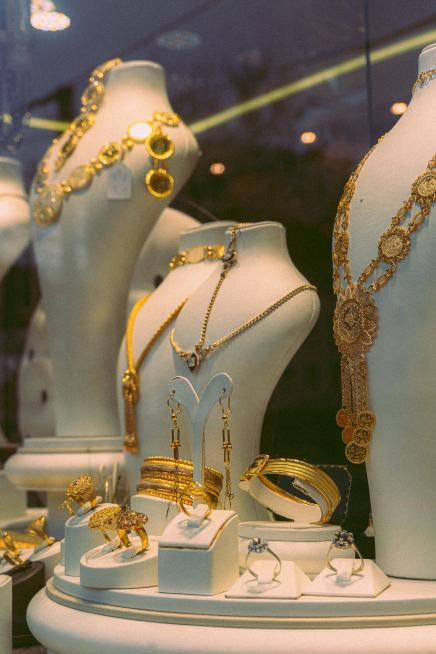
RFID-korujen seurantajärjestelmä varastonhallintaan vähittäiskaupan toiminnassa
Korujen vähittäiskauppa kohtaa ainutlaatuisia toimintahaasteita. Korut ovat korkean arvon, pieni kokoinen, ja usein käsitellään kaupoissa, näyttö laskurit ja myyntiprosessit. RFID-korujen seurantajärjestelmä tarjoaa perustan korujen hallintaan yksittäisellä kappaletasolla ja tarjoaa tarkkuuden, nopeuden ja näkyvyyden, joita perinteiset manuaaliset varastot ja viivakoodipohjaiset järjestelmät usein vaivaavat saavuttaa.
Tämä opas selittää, miten RFID-korujen seurantajärjestelmä toimii, sen edut ja sovellukset ja miksi enemmän vähittäiskauppiaita ja valmistajia ottaa käyttöön RFID-korujen hallintaratkaisuja varaston tarkkuuden ja toiminnan tehokkuuden parantamiseksi.
Miten RFID-korujen seurantajärjestelmä toimii?
RFID-korujen seurantajärjestelmä on suunniteltu hallitsemaan korkean arvon, pienikokoisia koruja kohdetason tunnistamisen ja reaaliaikaisen tietojenkaappauksen avulla.
Yksinkertaisesti sanottuna järjestelmä toimii kiinnittämällä RFID-tunnisteen jokaiseen koruun. Nämä RFID-korutunnisteet muodostavat seurantajärjestelmän perustan mahdollistamalla tavaratason tunnistamisen varastossa, näytössä ja myynnissä, kun taas RFID-laitteisto ja -ohjelmisto tunnistavat, seuraavat ja hallitsevat tavaroita automaattisesti päivittäisessä kaupan toiminnassa.
Yleisesti käytettyjä laitteistoja ovat:
- RFID-tulostimet
- RFID-lukijatmukaan lukien käteenkannettavat laitteet ja kiinteät lukijat, jotka on asennettu näyttölaskuriin
- UHF RFID älykkäät näyttölautat korujen esittelyyn ja kohteiden havaitsemiseen
Tyypillinen vähittäiskaupan RFID-korujen hallintajärjestelmä toimii seuraavasti:
Kohteen tunniste
- Jokaiselle korulle annetaan ainutlaatuinen RFID-tunnus
- Tunnus koodetaan ja liitetään tuotetietoihin, kuten tyyliin, materiaaliin, painoon, puhtauteen ja laatuun
RFID-koodaus ja aloittaminen
- RFID-tulostimet koodaavat tavaroiden tunnukset RFID-etiketteihin tai -tunnisteisiin
- RFID-korutunnisteet sisältävät taitetut tunnisteet, hännätunnisteet ja ripustavat tunnisteet, jotka on suunniteltu erityisesti korusovelluksiin
- Painettu ihmisen luettava teksti ja viivakoodit mahdollistavat kaksoisen RFID + visuaalisen tunnistamisen
- Tietojen johdonmukaisuus varmistetaan ennen kuin tuotteet saapuvat myymälöihin tai näyttölaskereihin
Automaattinen tietojenkaapuminen
- RFID-lukijat ja kannettavat skannerit lukevat useita koruja samanaikaisesti
- Näkölinjan skannauksta ei tarvita, jopa tiheässä näyttöympäristössä
- Varastotietoja kerätään reaaliajassa
Järjestelmäintegraatio
- RFID-tiedot käsitellään väliohjelmistolla
- Tiedot synkronoidaan ERP:n, varastonhallintajärjestelmien ja POS-alustojen kanssa
- Kohteen tila (varastossa, näyttelyssä, siirretty, myyty) päivitetään automaattisesti
Käyttämällä tätä RFID-korujen seurantajärjestelmää vähittäiskauppiaat voivat saavuttaa seuraavat:
- Varastotarkastusta vähennetään tunteista minuutteihin
- Vähennysriskit ja menetykset minimoidaan
- Kaupan henkilökunta voi keskittyä asiakaspalveluun manuaalisen laskennan sijaan
RFID:n hyödyt korujen seurantaan
Ominaisuusvertailu: Miksi päivittää RFID:hen?
| Ominaisuus | Perinteinen viivakoodijärjestelmä | RFID-korujen seurantajärjestelmä |
|---|---|---|
| Lukemismenetelmä | Näkölinja (Skanna yksi kerrallaan) | Ei-näkölinja (erälukimus) |
| Varaston nopeus | Tunnit (hitaat ja työvoimaiset) | Minuutit (nopea ja automaattinen) |
| Tarkkuus | Ihmisen virheelle altis | 99,9% tietojen tarkkuus |
| Turvallisuus | Alhainen (viivakoodeja voidaan kopioida) | Korkea (ainutlaatuinen siru ID) |
| Näyttötarkastus | Vaatii kohteiden poistamista laatikosta | Skannaa koko laatikko välittömästi |
Verrattuna viivakoodipohjaisiin järjestelmiin RFID sopii paremmin korujen hallintaan, koska se poistaa manuaalisen, näkölinjan skannauksen ja mahdollistaa automaattisen kohteiden seurannan koko elinkaaren ajan.
Kohteen tason näkyvyys jokaiselle korulle
Jokaisella tuotteella on ainutlaatuinen RFID-tunniste, joka yhdistää tuotetiedot ja mahdollistaa tarkan seurannan varastossa, näytössä ja myynnissä.
Ei-näkölinja ja erälukiminen
Useita koruja voidaan tunnistaa samanaikaisesti ilman manuaalista kohdistumista, jopa laatioiden tai näyttölaskurien sisällä.
Nopeampi ja useampi varastotarkastus
Varastotarkastukset suoritetaan tuntien sijaan minuuteissa, mikä tekee päivittäisistä tai viikoittaisista tarkastuksista käytännön.
Vahinojen ehkäisemisen ja turvallisuuden valvonnan parantaminen
Reaaliaikainen kohteiden näkyvyys auttaa tunnistamaan nopeasti puuttuvia tai luvattomia liikkeitä korkean tiheyden näyttöympäristöissä.
Pienempi toimintapaine myymälän henkilökunnalle
Automaattinen tunnistaminen vähentää manuaalista laskentaa ja mahdollistaa henkilökunnan keskittyä asiakaspalveluun ja myyntiin.
RFID-korujen seurantajärjestelmän sovellukset
Näiden etujen vuoksi RFID-teknologiaa käytetään laajasti korujen vähittäiskaupassa.
1. Varastojen laskeminen: Korujen RFID:n ensisijainen käyttötapaus
Varastojen laskeminen on tärkein tekijä RFID-korujen varastonhallinnan käyttöönoton takana vähittäiskaupan ympäristöissä.
Perinteinen manuaalinen laskeminen on hitaas ja työvoimavaativa korujen pienen koon, korkean arvon ja tiheän näytön vuoksi. Käytännössä koko myymälän varasto kestää usein neljästä kuuteen tuntiin, mikä tekee useista tarkastuksista epäkäytännön ja lisää huomaamattomien eroavuuksien riskiä.
Käsikäyttöisten RFID-lukijoiden avulla varaston laskenta vähenee tuntien sijaan minuutteihin. Henkilökunta voi skannata kokonaisia näyttölautoja poistamatta kohteita, lukea useita kappaleita samanaikaisesti ja ilman näkölinjaa. Tämä mahdollistaa päivittäisen tai viikoittaisen varastotarkastuksen, parantaa varaston tarkkuutta ja vähentää merkittävästi myymälän henkilöstöön kohdistuvaa toimintapainetta.
2. Myynti- ja kassavahvistus: Varmistaa tuotteen tarkkuus myyntipisteessä
Kassan vaiheessa RFID auttaa poistamaan tunnistusvirheitä, jotka voivat ilmetä manuaalisen valinnan tai viivakoodin skannauksen yhteydessä.
Varmistamalla kunkin korun RFID-tunniste POS-laskikolla järjestelmä vahvistaa oikean tavaran ennen kaupan suorittamista.
Kun tuotteen tila on myyty, se päivitetään automaattisesti järjestelmässä, mikä luo selkeän ja tarkasteltavan myyntirekisterin. Tämä parantaa liiketoimien tarkkuutta, vähentää sovittamisongelmia ja tarjoaa paremman valvonnan arvokkaasta varastosta myyntiprosessin viimeisessä vaiheessa.
Varastojen laskemisen ja myynnin vahvistuksen lisäksi RFID-teknologiaa käytetään myös useiden korujen vähittäiskaupan päivittäisten toimintaskenaarioiden tukemiseen:
Näytön laskurin valvonta
Kiinteät RFID-lukijat ja UHF-älykkäät näyttölautat havaitsevat merkittyjen kohteiden läsnäolon näyttölaskurilla, mikä auttaa vähentämään menetysriskiä suuressa liikenteessä tai avoimissa näyttöympäristöissä.
Sisäiset siirrot ja luovutukset
RFID-skannaus tallentaa tavaroiden liikkumisen laskirien, myymälöiden tai korjausprosessien välillä selkeällä vastuullisuudella.
Älykkään tuotteen esittely
RFID-näytöt hakevat kohdekohtaisia tietoja taustajärjestelmistä, kuten tyylistä, materiaalista, painosta ja puhtaudesta, kun merkitty tuote esitellään, ja auttavat myyntihenkilötä asiakkaiden vuorovaikutuksessa.
Parhaat käytännöt RFID-korujen seurantaratkaisujen käyttöönottoon
Onnistunut RFID-korujen seurantaratkaisu riippuu kolmesta asiasta: johdonmukaisista koodaussäännöistä, luotettavista laitteistoista ja toistettavista kaupan työnkulkuista.
Standardoi tuotteen ID/EPC-säännöt
Määritä yksi koodausmuoto HQ + kaupoista välttääksesi kaksinkertaiset tunnukset ja tietojen epäyhteensopivuudet.
Koodaa + tarkista ennen kuin kohteet osuvat laskuriin
Varmista, että jokainen merkintä on kirjoitettu oikein ja vastaa ERP/IMS-rekisteriä ennen näyttöä.
Käytä oikeaa lukijaasetusta
Käsittävät lukijat tarkastuksiin; kiinteät lukijat (in-counter) valvonta- ja kassapisteille.
Suositeltu RFID-tulostin korujen seurantaan: iDPRT iT4R-sarja
Korujen RFID-hankkeissa ensisijainen haaste on tuottaa teräviä, skannattavia viivakoodi-etikettejä ja luoda luotettava digitaalinen identiteetti jokaiselle korkean arvon tuotteelle.
iDPRT iT4R -sarja on 4 tuuman työpöydän RFID-tulostin joka yhdistää RFID-koodauksen, todentamisen ja etikettitulostuksen yhteen, virtaviivaistettuun työnkulkuun, joka sopii hyvin korujen käyttöönottoon.
RFID-merkintätulostin koodaa tarkasti RFID-tietoja merkinnän muistiin UHF-RFID-teknologian avulla, mikä mahdollistaa jokaisen korun yksilöllisen tunnistamisen ja digitaalisen hallinnan. Kun se on integroitu RFID-lukijoihin ja backend-järjestelmiin, se tukee nopeita varastotarkastuksia, reaaliaikaista seurantaa ja järjestelmän ohjaamaa myynninhallintaa korujen vähittäiskaupassa.
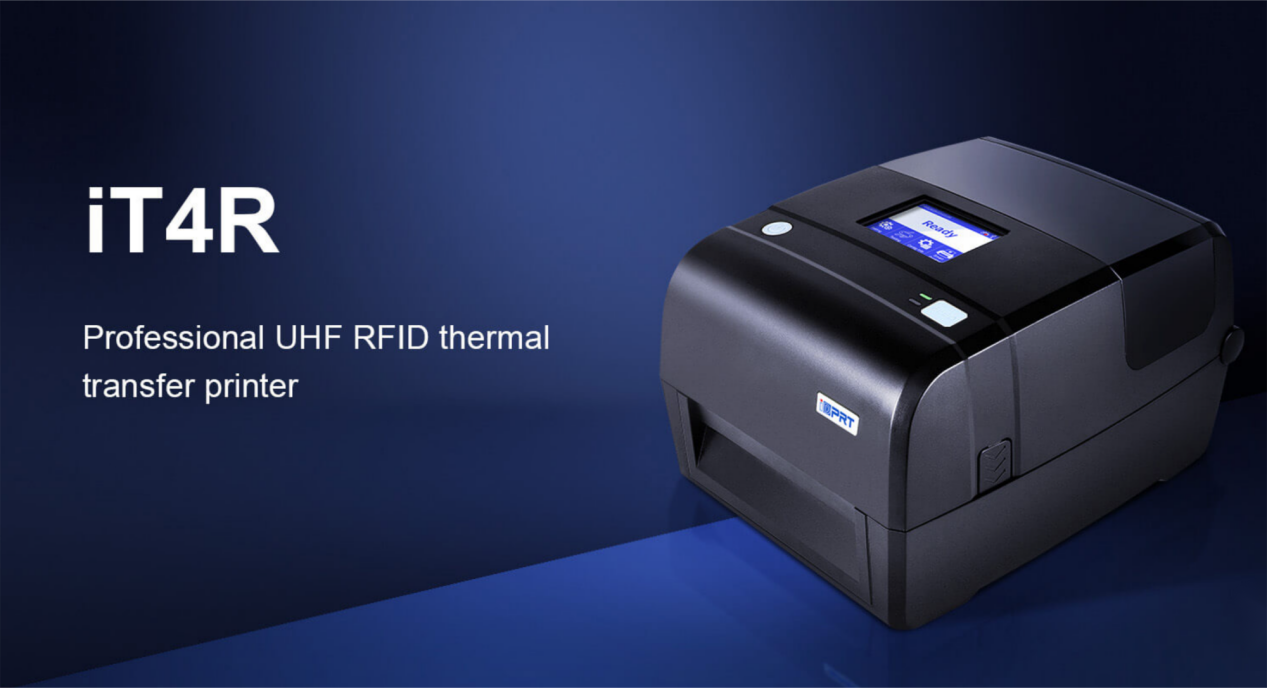
Ominaisuudet:
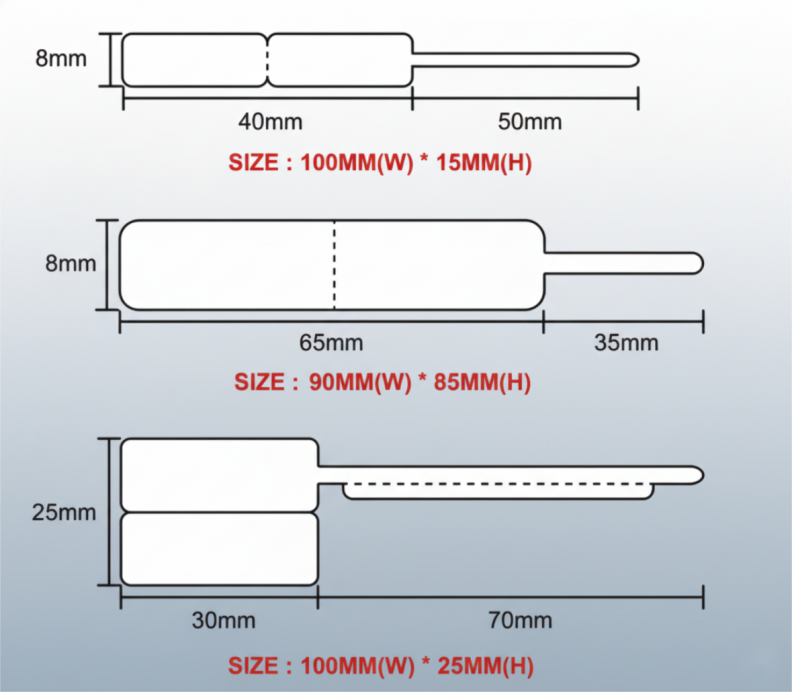
Tukee useita koruja RFID tag tyypit ja koot
Käsittelee kompakteja RFID-koruja, mukaan lukien rotta-häntä, silmukka ja taitetut tunnisteet, eri kokoisissa, sopivat sormuksiin, kaulakoroihin, rannekoreihin ja muihin pieniin, korkean arvon koruihin.
Tarkka koodaus anti-metalli kyky UHF RFID korut Tags
Koruympäristöt ovat täynnä metallia ja nesteitä, jotka häiritsevät RFID-signaaleja. iT4R:ssä on kehittynyt antennin sijoittaminen ja automaattinen kalibrointi, jotta voidaan varmistaa onnistunut koodaus jopa pienillä, häiriöille alttiilla UHF RFID-korutunnisteilla.
Sisäänrakennettu Kirjoita ja tarkista 100% luettavuus
Sisäänrakennettu kirjoitus- ja tarkistusprosessi merkitsee virheelliset merkinnät tulostuksen aikana, jotta voidaan vähentää lukuvirheitä varastossa ja kassassa.
300 dpi korkean resoluution viivakooditulostus
Tulostaa selkeät, korkean resoluution viivakoodit ja koodaa samanaikaisesti EPC-tietoja, mikä tukee luotettavaa skannaamista korulaskurilla ja kassapisteillä.
Kosketusnäyttö intuitiiviseen kauppatason käyttöön
Integroitu LCD-kosketusnäyttö tukee offline-työnkulkuja ja mahdollistaa myymälän henkilökunnan suorittavan tag-vaihdon tai -tulostuksen pyynnöstä ilman monimutkaista asetusta.
Helppo integroida olemassa oleviin järjestelmiin
Toimii sujuvasti ERP-, POS- ja RFID-hallintaohjelmistojen kanssa, tukien sekä keskitettyä aloittamista että hajautettuja kauppakäyttöjä.
Yhteistyö kanssamme
Vähittäiskauppiaille, jotka suunnittelevat RFID-korujen seurantaratkaisua, oikean laitteiston valinta on kriittinen ensimmäinen askel.
Johtajana AIDC-ratkaisujen tarjoaja Kiinassa iDPRT tarjoaa RFID-tulostimia ja kätteisiä RFID-lukijoita, jotka on suunniteltu tukemaan nopeaa varastonlaskenta ja luotettavaa kohteiden todentamista korujen vähittäiskaupan ympäristöissä. RFID-laitteemme tarjoavat vankan perustan tavaratason merkintään, koodaukseen ja päivittäiseen varastointiin.
Jos yritykset suunnittelevat tai laajentavat RFID-käyttöönottoja, otamme yhteyttä iDPRTiin keskustelemaan räätälöityistä RFID-laitteistoratkaisuista korujen hallintasovelluksiin.
RFID-korujen seurantateknologian tulevat trendit
Kun RFID-käyttöönotto koruteollisuudessa kypsyy, painopiste siirtyy peruskäyttöönpanosta standardointiin ja skaalautuvuuteen. Useammat tuotemerkit luovat yhtenäisiä tavaratason tunnistus- ja EPC-koodaussääntöjä valmistus-, logistiikka- ja vähittäismyymälöissä, mikä vähentää tietojen epäjohdonmukaisuutta ja mahdollistaa RFID-järjestelmien skaalautumisen sujuvammin monien myymälöiden tai alueellisten verkostojen välillä.
Samalla RFID on yhä syvemmin integroitunut POS-, ERP- ja varastonhallintaalustoihin. RFID-tietoja käytetään yhä enemmän sen sijaan, että ne toimisivat vain varaston laskemisen työkaluna, tukemaan reaaliaikaista varaston näkyvyyttä, myyntivahvistusta ja poikkeusten hallintaa, mikä auttaa vähittäiskauppiaita siirtymään säännöllisistä tarkastuksista jatkuvaan toimintavalvontaan.
Laitteiston puolella RFID-tunnisteet, tulostimet ja lukijat kehittyvät sopimaan paremmin korujen erityisiin ympäristöihin, parantamalla vakautta metallin lähellä ja yksinkertaistamalla myymälän tasolla.
Nämä kehitykset eivät aseta RFID:tä itsenäiseksi teknologiaksi vaan pitkän aikavälin infrastruktuuriksi tarkkaan, skaalautuvaan ja datapohjaiseen korujen hallintaan.
Usein kysytyt kysymykset RFID-korujen seurantajärjestelmistä
Q1: ssä Voivatko RFID-tunnisteet sopia pieniin kohteisiin, kuten sormuksiin ja korvakoruihin?
- Kyllä, kyllä. Erikoistuneet UHF RFID-tunnisteet (kuten "rat-tail" tai silmukka-tunnisteet) on suunniteltu erityisesti koruihin. Ne ovat tarpeeksi kompakteja kiinnittämään pieniin, herkkiin kohteisiin, kuten sormuksiin ja nappiin, vaikuttamatta estetiikkaan tai asiakaskokeiluun.
Q2: ssä Korvaako RFID viivakoodeja korujen hallinnassa?
Ei kokonaan. Useimmissa käyttöjärjestelmissä RFID ja viivakoodeja käytetään yhdessä - RFID nopeaan, ei-näkyvyyden tunnistamiseen ja viivakoodeja tai ihmisen luettavaa tekstiä visuaaliseen todentamiseen ja järjestelmän yhteensopivuuteen.
Q3: ssä Kuinka nopeasti RFID:n avulla lasketaan varastoja?
RFID mahdollistaa erän lukemisen, jolloin satoja kohteita voidaan skannata muutamassa minuutissa ja varaston laskentaaikaa vähennetään yli 90 prosentilla.
neljännen neljänneksen Voiko RFID integroida olemassa olevaan POS- ja ERP-järjestelmään?
- Kyllä, kyllä. Ammattimaiset RFID-koruratkaisut käyttävät API:itä ja väliohjelmistoja, jotka synkronoivat saumattomasti suurien vähittäiskaupan hallintajärjestelmien (kuten Microsoft Dynamics, SAP tai Oracle) kanssa. Tämä varmistaa, että myynti ja varastotasot päivitetään reaaliajassa kaikilla alustoilla.
Q5: ssä Onko RFID käytännöllinen pienille tai yhden kaupan koruyrityksille?
- Kyllä, kyllä. Alustason kannettavien lukijoiden ja yksinkertaistettujen koodausprosessien avulla pienet korukaupat voivat aloittaa RFID-varaston laskemisen ja laajentaa käyttöä tarvittaessa.